
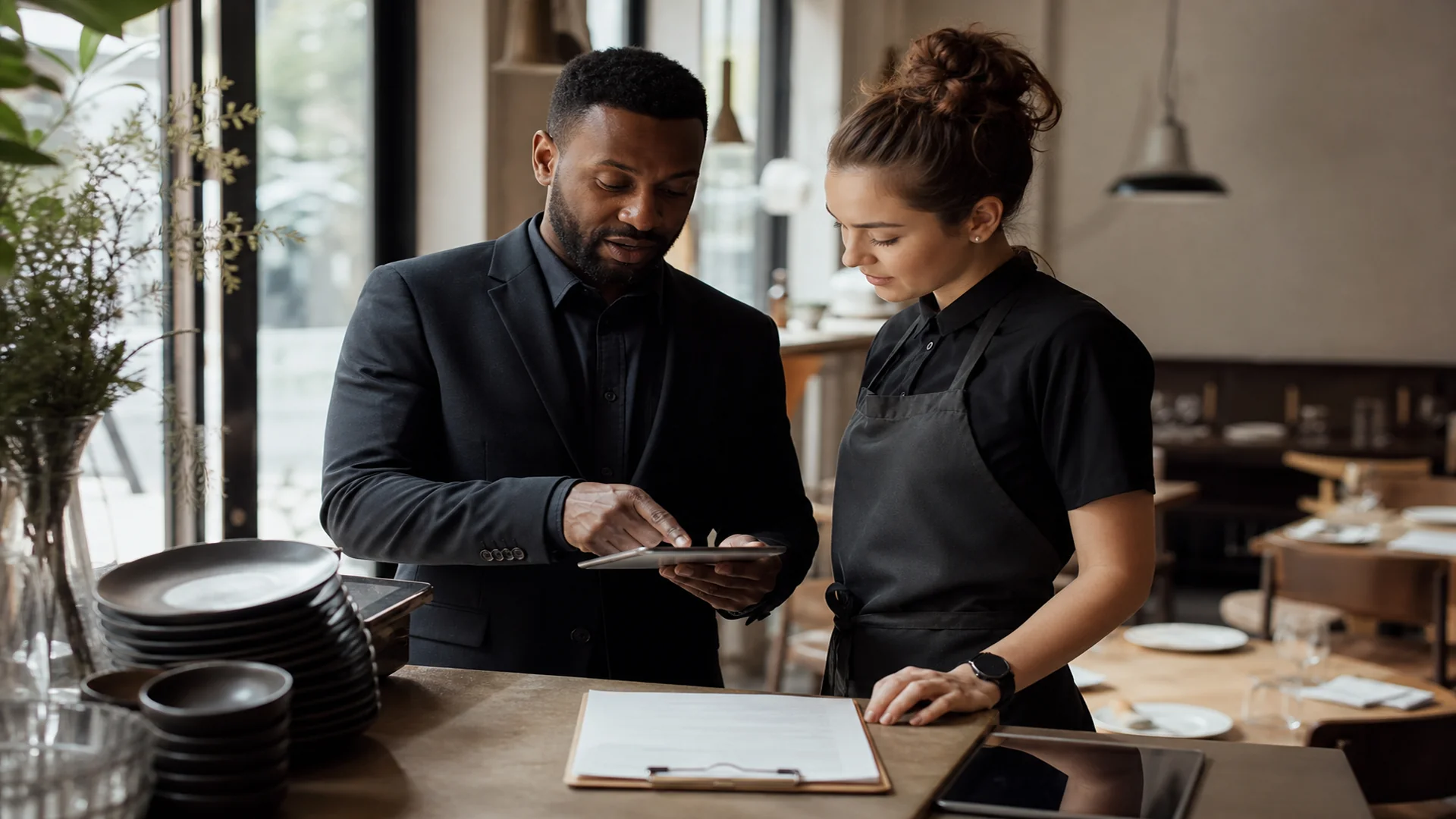
How Restaurants Can Get More Customers: Local Acquisition System
A practical acquisition system for restaurants — discovery, offers, retention loops, and ops readiness so marketing does not outrun the kitchen.
Quick Answer
How restaurants can get more customers is less about random promotions and more about a repeatable local acquisition system: be discoverable, convert the first visit, and earn the second visit. Marketing that outruns the kitchen creates one-star reviews and burns discounts.
The system in three loops:
- Discover — Google Business Profile + local SEO + honest neighborhood presence
- Convert — clear offer, fast mobile path to menu/reserve/order, host stand readiness
- Repeat — service consistency, simple VIP/SMS or WhatsApp list, weekday rituals — not endless discounting
Before you buy ads, confirm open/close discipline and ticket times via restaurant operations. Acquisition without ops is how common restaurant mistakes compound.
⚠️ Context matters. Channels differ by city and cuisine. Treat tactics below as a framework. Do not invent performance metrics you have not measured in your own restaurant.
Introduction
Owners ask for “marketing ideas” when the real problem is often a leaky funnel: the listing is incomplete, the first visit is inconsistent, and there is no reason to return except a coupon. Coupons without a system train guests to wait for the next deal.
This guide gives a practical acquisition framework for independent restaurants and small groups. It connects discovery work (GBP and local SEO) to conversion and retention, with checklists you can run in a weekly manager meeting.
Why Acquisition Fails Without Ops
| Symptom | Marketing-only response | Better response |
|---|---|---|
| Slow weeknights | Blast a 30% off code | Fix discovery + create a weekday ritual guests want |
| One-star “slow service” after a promo | Pause ads briefly | Cap covers to kitchen capacity; fix ticket time |
| High first-visit, no repeats | More influencers | Standardize hospitality; capture contacts ethically |
| Busy Friday, dead Monday | Accept it | Targeted Monday offer + community partnerships |
If knowledge lives only in the owner’s head, every campaign reinvents service standards. Guests feel that as inconsistency. Build the ops spine first — checklists, SOPs, training — then scale demand.
The cost of discount addiction
Heavy discounting raises traffic while training price sensitivity and attracting deal-only guests. Use discounts as a scalpel (new neighborhood awareness, soft-open, specific daypart), not as the brand. Margin math matters: a 25% off check can erase contribution if food and labor costs are already tight.
Step-by-Step Guide: Discover → Visit → Repeat
Step 1 — Measure the baseline (one week)
Track simply:
- Direction requests / calls from GBP
- Walk-in vs reservation vs delivery mix
- Average ticket and weekday vs weekend covers
- Review volume and average rating
You cannot improve what you refuse to count.
Step 2 — Fix discovery fundamentals
Complete the GBP playbook and the local SEO cleanup. This is usually higher ROI than a new social campaign because intent is already commercial (“near me,” “open now,” cuisine + neighborhood).
Step 3 — Make the first visit easy to choose
- Menu path that loads fast on mobile
- Accurate wait-time / reservation expectations
- Photos that match real plating
- Clear parking / entrance notes for tourists and locals
Confusion at the decision moment loses guests you already paid to attract.
Step 4 — Convert on the floor
Train a 60-second host standard: greet, set expectations, note allergies, suggest a signature item. Expo owns ticket times. Managers walk the room once per peak hour. Acquisition ads cannot fix a cold host stand.
Step 5 — Capture permission for a second visit
Ask once, politely, after a good experience:
- SMS or WhatsApp list for weekly specials (follow local consent rules)
- Email for catering and events
- Loyalty punch card only if staff actually remember to stamp it
Do not buy sketchy “guest data” lists. Trust compounds slower than spam destroys it.
Step 6 — Design the repeat loop
Pick one weekday ritual (industry night, family table, prix-fixe lunch) and promote it for 8–12 weeks before judging. Consistency beats novelty. Tie posts on GBP and social to the same ritual so the message is coherent.
Step 7 — Only then add paid amplification
When organic discovery and service are stable, test small paid budgets (Maps ads, social, influencer seeding) with a clear daypart goal and a kill criteria. Paid should amplify a working system, not paper over chaos.
Framework: Awareness / Conversion / Retention
| Stage | Job | Primary tools | Owner |
|---|---|---|---|
| Awareness | Be found by nearby hungry people | GBP, local SEO, partnerships, PR | Owner / marketing lead |
| Conversion | Turn attention into a seated (or ordered) guest | Menu UX, offers, host/reservations, delivery packaging | GM + FOH lead |
| Retention | Earn visit two and three | Service standards, reviews, CRM/VIP, rituals | GM + chef |
Best practices
- One primary acquisition bet per quarter — e.g. “fix lunch from office park within 1 km,” not ten half-finished ideas.
- Offer design with ops input — kitchen must sign off on promo volume.
- Review engine — ask diners who compliment the meal; respond to all reviews.
- Community > vanity — school fundraisers, local suppliers, and neighborhood groups often outperform generic boosts.
- Delivery as a channel, not the brand — packaging and accuracy protect ratings that spill into Maps reputation.
Channel ideas that fit independents (pick 2–3)
- GBP posts + weekly photo cadence
- Neighborhood partnerships (hotels, offices, gyms)
- Limited weekday lunch set
- Catering one-pager for nearby businesses
- Ethical influencer seeding (full disclosure; real plates)
- Event nights with capacity caps
Avoid: fake engagement pods, review gating that violates platform rules, and “guaranteed viral” retainers.
Common Mistakes
- Marketing before SOPs — volume exposes chaos.
- Discount addiction — trains deal-seeking behavior.
- Ignoring GBP while boosting Instagram — misses high-intent searchers.
- No capacity planning for promos — long tickets → bad reviews.
- Collecting contacts without a weekly send — lists go cold.
- Chasing every trend — TikTok dances will not fix NAP errors.
- Blaming “the algorithm” instead of measuring the funnel.
Examples (Generalized)
Fast-casual bowl concept: Fixes GBP photos and menu URL, launches a Tuesday “office lunch” set priced for contribution margin, and texts last week’s buyers once. Weekday lunch stabilizes without a permanent 40% off.
Full-service neighborhood spot: Stops blanket Groupon-style deals, trains review responses, partners with two nearby boutique hotels for guest referrals, and runs one monthly community table. Repeat visits rise because the experience is consistent.
New opening: Soft-open with friends-and-family capacity caps, completes listings before public launch per the opening checklist, then layers paid only after ticket times are stable.
Action Checklist
This week
- [ ] Pull baseline: covers by daypart, GBP actions, review count
- [ ] Complete GBP + NAP fixes
- [ ] Kill any live promo the kitchen cannot execute cleanly
Next 30 days
- [ ] Launch one weekday ritual with matching GBP posts
- [ ] Start ethical review requests at pay presentation
- [ ] Build a simple consent-based VIP list
- [ ] Align host and expo standards with staff training
Next 90 days
- [ ] Review funnel metrics; keep what moved covers profitably
- [ ] Test one paid channel with a written kill switch
- [ ] Document the playbook so it survives manager turnover
Frequently Asked Questions
What is the fastest way for restaurants to get more customers?
For most independents, fixing Google Business Profile accuracy and review responsiveness moves high-intent demand faster than a new brand campaign. Pair that with service readiness so new guests return.
Should I discount to increase restaurant traffic?
Use discounts sparingly for specific dayparts or launches. Prefer value bundles and rituals that protect contribution margin. Permanent deep discounts are hard to unwind.
How do I increase weekday lunch traffic?
Combine discovery (GBP posts, nearby office outreach) with a fast, reliable lunch set and ticket-time discipline. Offices need speed more than theatrical plating.
Is social media enough for restaurant customer acquisition?
Social helps awareness and personality. It rarely replaces Maps/local search for “open now” intent. Use both with one coherent offer calendar.
How do delivery apps fit the acquisition system?
Treat them as a channel with their own ratings and fees. Keep menu accuracy high; decide whether delivery guests enter your VIP list under platform rules and privacy constraints.
When should I hire a marketing agency?
After fundamentals (GBP, NAP, review responses, one clear offer) are owner-owned. Agencies amplify systems; they rarely invent them from chaos.
How do I know if marketing is working?
Track covers and contribution by daypart, GBP actions, promo redemptions, and repeat rate — not vanity likes. Kill tactics that move likes without profitable covers.
Conclusion
Restaurants get more customers when discovery, conversion, and retention are one system — not a pile of promotions. Start with GBP and local SEO, convert with clarity and capacity, and earn repeats with consistent hospitality plus a simple VIP loop. Keep marketing subordinate to operations. That is how acquisition compounds instead of churning.